


Utility-Scale Solar
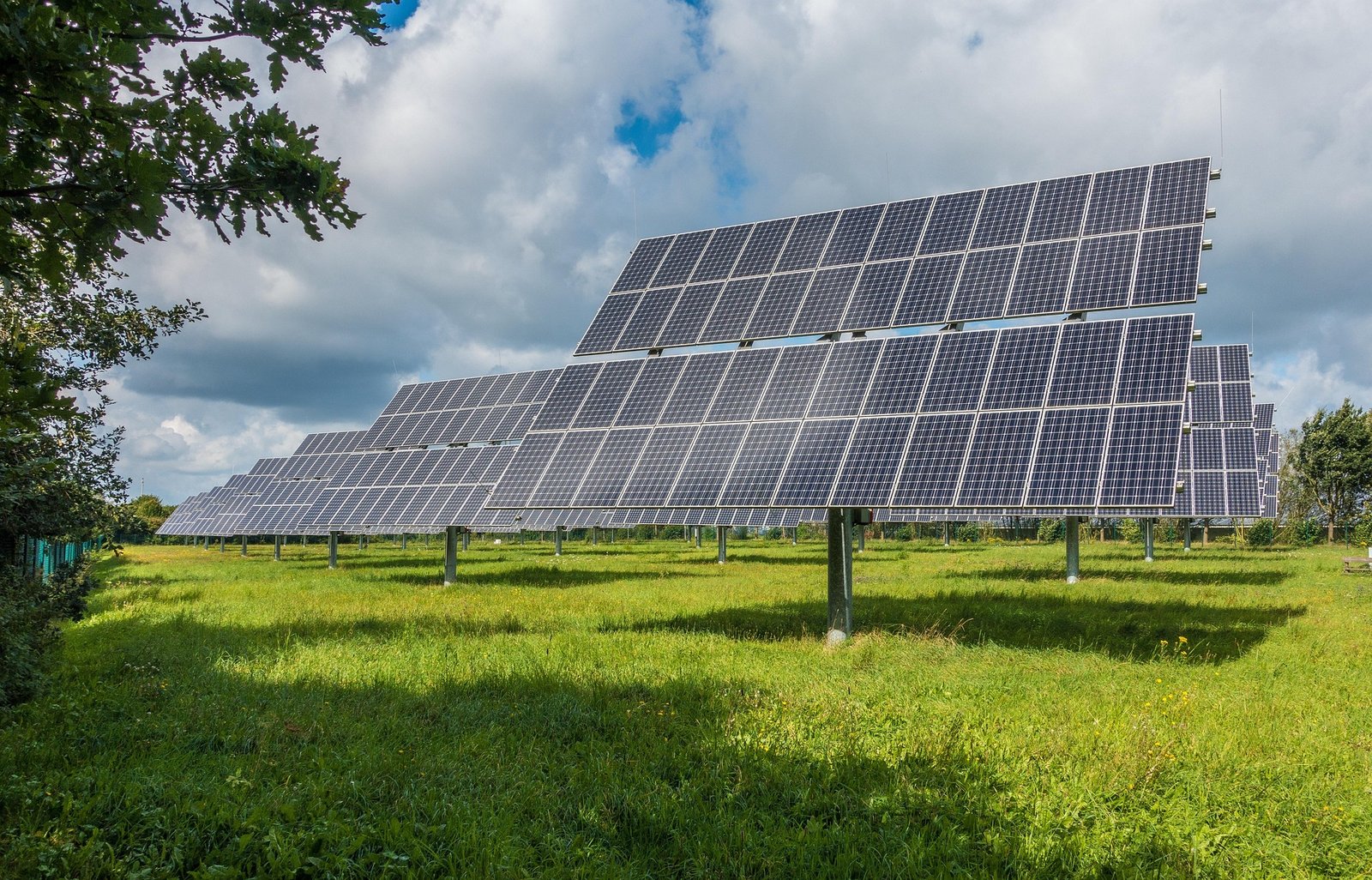
Utility-Scale Solar solutions are grid-scale solar installations designed to power India's energy transition. With capacities ranging from 10 MW to 500 MW and beyond, our projects feed directly into high-voltage transmission networks, enabling large-scale clean energy procurement for utilities, government bodies, and C&I entities alike.
As India accelerates toward its 500 GW non-fossil fuel target by 2030, we deliver end-to-end utility solar projects — from land acquisition and feasibility analysis to EPC execution and long-term O&M — with 200 MW already commissioned and a 2 GW active pipeline.
What we offer
We provide comprehensive development and execution capabilities across the full lifecycle of utility-scale solar projects. Our integrated in-house team of 100+ professionals handles engineering, procurement, grid integration, regulatory compliance, and operations — delivering cost-optimized, high-performance solar assets built for India's grid.
- End-to-end EPC with in-house engineering & procurement
- Grid integration aligned with SLDC protocols & standards
- Fixed tilt & single-axis tracker systems for maximum yield
- Hybrid & battery storage integration for 24/7 clean power
Our key benefits
Our Utility-Scale Solar projects are engineered to deliver maximum generation efficiency, grid stability, and long-term financial returns. By combining economies of scale with advanced SCADA monitoring and optimized land use, we help offtakers and utilities achieve predictable, low-cost clean energy at scale.

Lower LCOE & Economies of Scale
Bulk procurement and standardized EPC processes reduce per-MW capital expenditure and achieve the lowest levelized cost of energy.

Long-Term Power Supply Stability
Projects operate under 15–25-year PPAs, offering predictable pricing and generation stability for utilities and offtakers.
Frequently Asked Questions
This section is designed to help you understand the process, clear your doubts, and make confident decisions about investing in utility-scale solar infrastructure.
Location selection is driven by solar irradiation levels, land availability and cost, proximity to transmission infrastructure, state policy incentives, and single-window clearance support. Regions like Rajasthan, Gujarat, and Madhya Pradesh are preferred due to high irradiation, contiguous land parcels, and established solar park frameworks that streamline project development.
Energy evacuation is managed through dedicated high-voltage transmission lines connected to the nearest substation, using utility-grade step-up transformers and protection relays. Our team ensures full compliance with SLDC interconnection standards and reactive power management requirements, coordinating with state and central transmission utilities to secure evacuation capacity ahead of project commissioning.
Yes. Utility-scale projects in India can benefit from schemes under MNRE such as the National Solar Mission and the Solar Park Scheme, as well as state-specific incentives including land banks, viability gap funding, and accelerated depreciation. Additionally, projects generating verified renewable energy can be registered for carbon credits under international frameworks, providing an additional revenue stream alongside the PPA.
Our O&M approach combines advanced SCADA-based real-time monitoring with predictive maintenance protocols to minimise downtime and performance losses. This includes regular module cleaning, inverter health checks, thermographic inspections, and string-level performance analysis. Redundant cabling, bypass diodes, and overvoltage protections ensure operational resilience throughout the 25-year project lifespan.
Long-term Power Purchase Agreements (PPAs) of 15–25 years are fundamental to project bankability. They provide predictable revenue streams that underpin debt-equity financing structures, reduce offtaker risk, and enable developers to secure competitive interest rates. The creditworthiness of the offtaker — whether a state DISCOM, central PSU, or C&I entity — directly influences the financing terms and overall project IRR.